Avant-Garde Street Style You Can Actually Wear
Quick Answer: Wearable avant-garde style means borrowing one directional element — an oversized silhouette, an asymmetric hem, or a sculptural accessory — and grounding everything else in familiar basics. One bold shape plus jeans reads as intentional. Five bold shapes reads as a costume. Start with a single architectural accessory if a full look feels like too much.
Avant-garde street style looks, at first glance, like it belongs exclusively to fashion-week attendees and people who own a lot of asymmetrical black clothing.
Here’s what the cool girls won’t tell you: you don’t need a front-row seat or a stylist to borrow its energy. The whole thing runs on one rule about ratios.

What Is Avant-Garde Style, Actually?
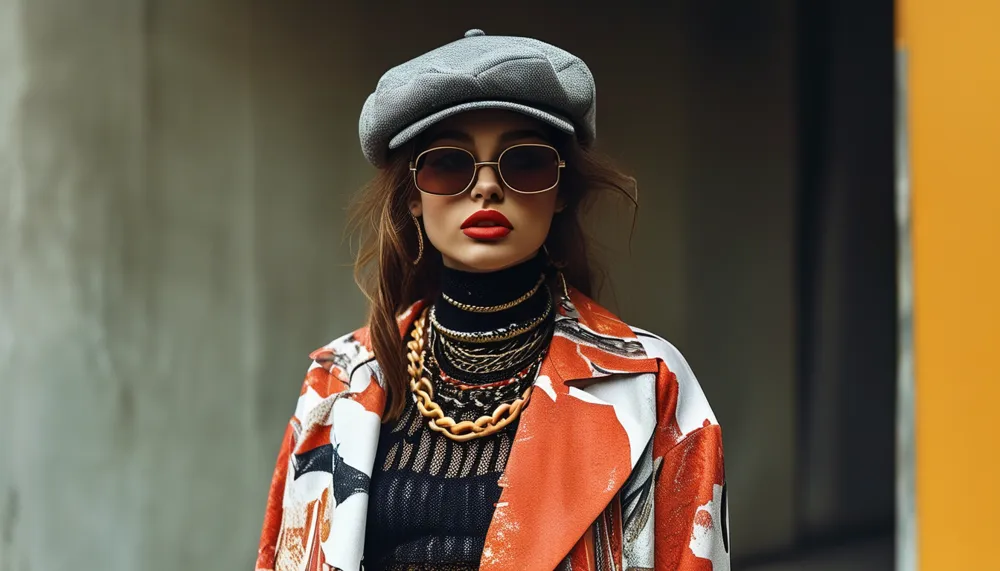
At its core it’s clothing that prioritizes shape and idea over conventional flattery. Exaggerated proportions, unexpected construction, asymmetry, deconstruction, and a general disinterest in whether something “goes.”
Runway avant-garde is the extreme version. Street-style avant-garde is the diluted, wearable dialect — the same instincts applied at maybe 20% strength, which is where it actually looks good on a Tuesday.
The word people reach for when they see it done well is “directional.” That’s the target.
How Do You Wear It Without Looking Like a Costume?
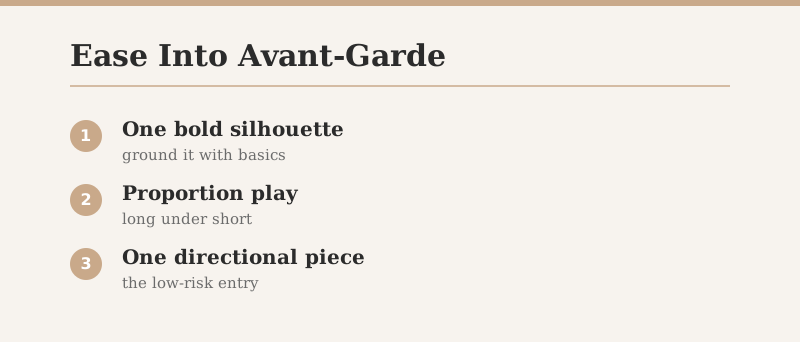
The one-to-three ratio. One directional piece, three familiar ones. A hugely oversized coat over a plain tee, straight jeans, and simple boots. The coat gets to be the whole idea; everything else gets out of the way.
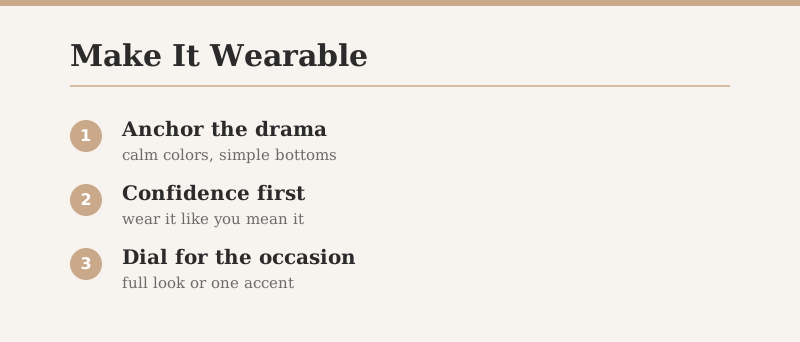
Ground bold shapes in a calm palette. If the silhouette is doing something unusual, let the colors be quiet — black, cream, grey, navy. Bold shape and bold color at once is where “experimental” tips into “dare.”
Anchor the proportion. Volume on top wants something narrow on the bottom, and vice versa. An enormous shirt over wide-leg trousers reads as lost. The same shirt over slim trousers reads as deliberate.
Keep the fabric quality visible. Avant-garde silhouettes live or die on material. A structured shape in cheap fabric collapses; the same shape in something with weight and body looks expensive. This is the one place worth spending.
Which Pieces Give the Most Directional Payoff?
- An oversized or sculptural coat. The single highest-impact item. Wear it over the simplest thing you own.
- An asymmetric hem — a skirt, a top, a dress. Subtle enough to wear to work, unusual enough to register.
- Architectural sunglasses. The cheapest entry point into the entire aesthetic, and remarkably effective.
- Genuinely chunky boots. Not the mainstream version — the ones with a real sole presence.
- A sculptural bag. Odd handle, unexpected shape, unusual material.
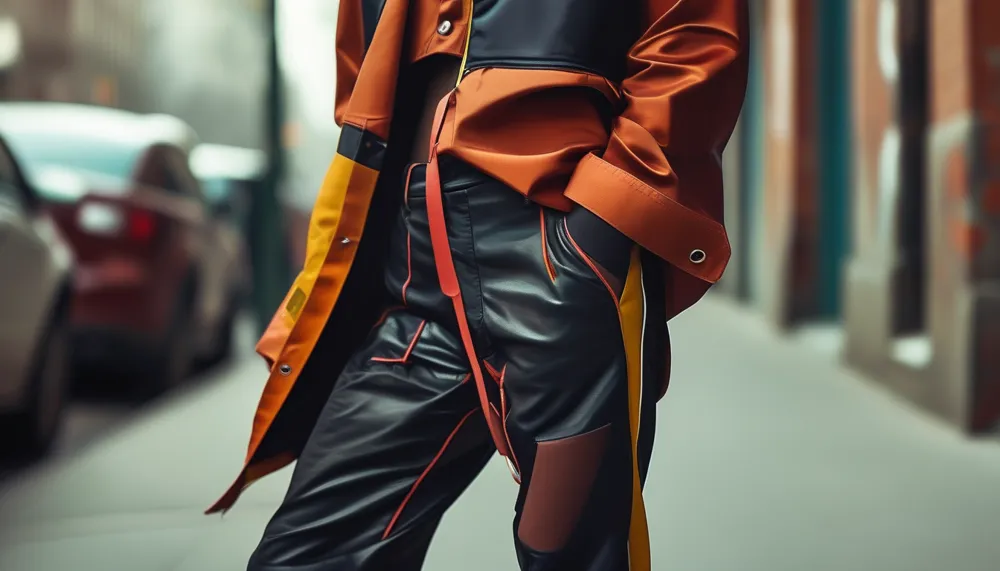
- A long shirt or vest layered under a cropped jacket. Peekaboo layering is the genre’s native grammar.

What Nobody Tells You
One accessory is often the whole look. A directional pair of sunglasses or a sculptural bag with an otherwise plain outfit reads as fashion-forward. A full avant-garde outfit reads as effort. The accessory version is both easier and, on most days, better.
Confidence does more than any garment. The women who genuinely pull this off aren’t following a formula — they’re wearing bold choices like the choices are lucky to be there. If you’re tugging at the hem all day, the outfit isn’t working regardless of what it cost.
Layering is a proportion problem, not a warmth problem. Long under short, structured over fluid. Think about which lines are visible and where they cut you.
Read the room, then ignore it selectively. A sculptural coat works nearly everywhere. Full deconstruction at a conservative office does not. Pick which element to bring rather than deciding the whole aesthetic is or isn’t allowed.
Black is a shortcut, not a requirement. All-black makes unusual shapes read as intentional almost automatically, which is why the aesthetic leans that way. But a monochrome cream or grey does the same job and looks less like a uniform.
How Do You Build Up to It?
Week one — one accessory. Architectural sunglasses or chunky boots with your normal outfit. That’s it.
Week two — one silhouette. The oversized coat, or a genuinely voluminous shirt, with your simplest jeans and a plain shoe.
Week three — layering. A long piece under a shorter one. Keep the palette to two colors.
Week four — combine two. A directional silhouette plus a directional accessory, everything else plain.
Most people find their ceiling somewhere around week three, and that’s a perfectly good place to live. See the sneaker styling guide for how the footwear side of this works.

FAQ
Is avant-garde style the same as minimalism?
No — they overlap in palette but not in intent. Minimalism removes; avant-garde distorts. A minimalist outfit is quiet and precisely proportioned. An avant-garde one deliberately breaks the proportion.
Can you wear avant-garde pieces to an office?
Usually one at a time. A sculptural coat, an asymmetric top under a blazer, or architectural accessories all read as polished. Full deconstruction generally doesn’t survive a conservative dress code.
Do you need expensive clothes for this look?
Not many — but the one directional piece should have real fabric weight. Structure is what separates “sculptural” from “shapeless,” and that’s a material property. Buy one good coat and pair it with everything you already own.
What’s the easiest first step?
Chunky boots or architectural sunglasses with an outfit you already wear. Lowest risk, immediate effect, and you’ll learn quickly whether the aesthetic suits you.
TL;DR:
- Avant-garde street style = one directional piece grounded by three familiar ones.
- Bold shape or bold color, not both at once.
- Anchor proportion: volume on top wants a narrow bottom, and vice versa.
- Fabric weight is what makes a sculptural shape work — spend there.
- A single architectural accessory is often the entire look.
- Build up gradually: accessory → silhouette → layering → combining two.
- Confidence carries the outfit more than any individual garment.
Keep Reading
This article is for general styling and informational purposes only. Trends, sizing, availability and pricing may vary by brand and season.